
Wildlife Photography Workshop
A hands-on wildlife photography workshop focused on photographing animals in their natural environment.
This workshop gives you time in the field to photograph wildlife, work through real situations with your camera and understand the decisions that go into creating stronger wildlife photographs.
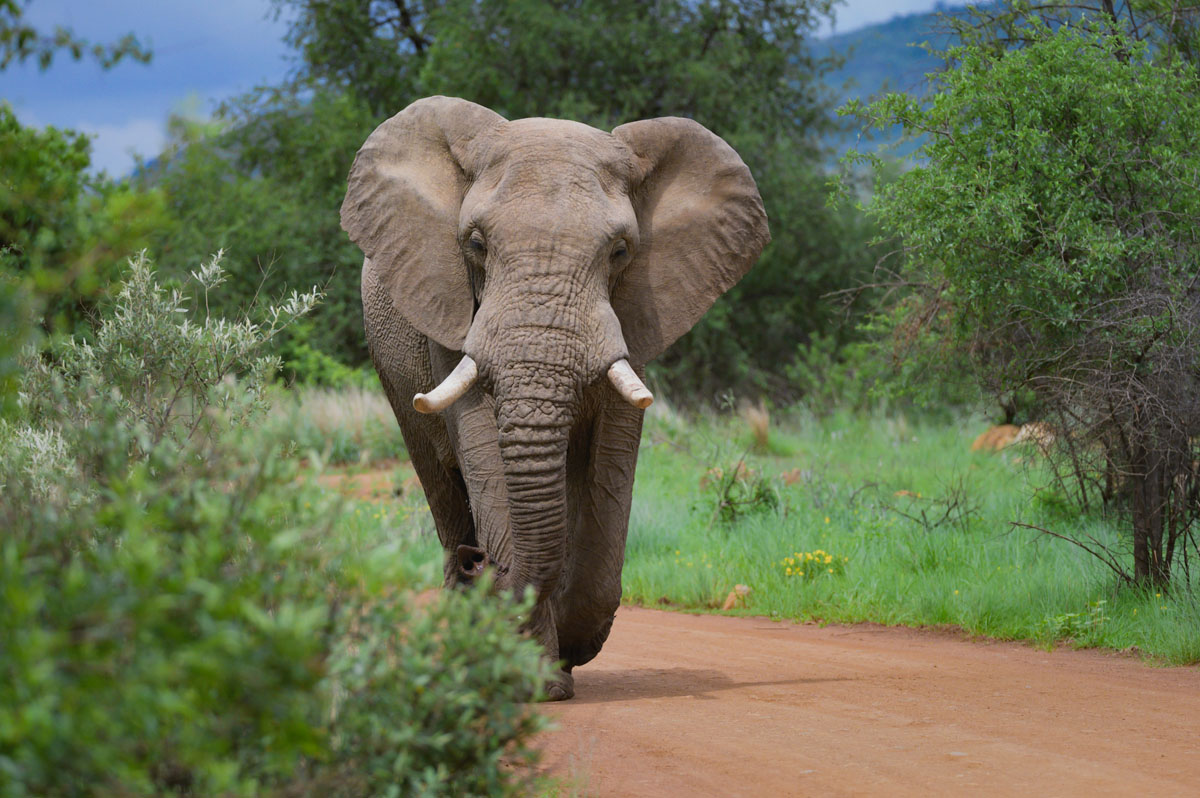
Wildlife photography workshop details.
Format
Hands-on, in-person
Group size
One-on-one or small groups
Duration
5 hours
Level
Basic camera knowledge required
Location
Confirmed when booking
Dates
Contact me for upcoming dates
Price
R5,499 per person
The exact location will be confirmed when booking and may vary depending on where you are based, the type of wildlife photography planned and suitable locations available.
Wildlife does not wait for you to be ready.
An animal may turn its head for a fraction of a second, move into better light or suddenly change direction. Sometimes the opportunity develops slowly; other times you have almost no time to react.
Rather than working through a fixed list of camera settings, we spend time photographing wildlife and looking at what is happening in front of you.
We work through situations as they arise, looking at the animal, the light, the background and the way the subject is moving, while deciding what your camera needs to do.
Watch what the animal is doing and look for signs that it may move, turn or become active.
Look at the light, background, distance and space around the subject.
Adjust shutter speed, aperture, ISO and exposure as the situation changes.
Sometimes moving is more useful than changing a setting. Other times waiting is the better decision.
There is no single wildlife setting that works for every photograph. The important thing is understanding why you would make a particular choice and what that choice will do to the photograph.
You will have time to photograph, ask questions, review your images and make adjustments while you are still in the field.
Making the camera respond to the wildlife
The workshop covers the camera skills that have the greatest impact when photographing wildlife.
Choosing settings for the situation
Camera settingsThere is no single wildlife setting that works for every photograph. We cover shutter speed, aperture, ISO and exposure, and how to adjust them when an animal is stationary, moving slowly or suddenly becomes active. The aim is to understand why you are changing a setting rather than simply memorising a combination of numbers.
Keeping moving animals in focus
FocusWildlife can move quickly and unpredictably, making focusing one of the biggest challenges. You will learn how autofocus modes, focus areas and tracking work, including situations where taking more control over the focus point can be useful.
Controlling movement with shutter speed
Shutter speedA shutter speed that works for a stationary animal may not be enough when it starts walking, running, flying or interacting with another animal. We go through how shutter speed affects movement and how to choose an appropriate speed for the situation.
Using aperture to shape the photograph
ApertureAperture affects more than exposure. You will see how depth of field changes with different apertures and how this can help separate an animal from its surroundings, while considering how much of the subject and environment you want to keep sharp.
Finding stronger compositions
CompositionGetting the animal into the frame is only the beginning. We work on the relationship between the animal, its surroundings and the edges of the frame, including positioning, backgrounds, negative space and the direction the animal is looking. Sometimes moving your position or simply waiting for the animal to move can make a greater difference than changing a camera setting.
Making the most of the light
LightWildlife photography often means working with whatever light is available. You will practise recognising useful light, dealing with harsh sunlight and making better use of softer or lower light when it appears.
Turning a wildlife encounter into a photograph.
Wildlife photography starts before you press the shutter. The animal may give you a small indication of what it is about to do — a change in direction, a change in posture, movement through vegetation or a shift towards better light.
The more closely you watch, the more time you have to prepare.
During the workshop, we will look at what is happening around the animal as well as the animal itself. You will learn to consider:
- What the animal is doing
- Where it may move next
- The quality and direction of the light
- What is behind and around the subject
- Whether you should stay where you are, move or wait
Getting closer is not always the answer. Sometimes changing your position gives you a cleaner background. Sometimes leaving more space around the animal makes the photograph stronger. And sometimes the best decision is simply to wait and see what happens.
This is also where anticipation becomes important. If an animal suddenly starts moving, you do not want to be making every decision from scratch. Watching its behaviour and reading the scene gives you a better chance of being ready when something happens.
What happens after the photograph is taken?
Wildlife photography does not necessarily finish when you press the shutter. During the workshop, we will also look at what happens to your photographs afterwards and how editing can help bring out what you saw in the field.
I will demonstrate my approach to editing wildlife photographs, including:
- Exposure and tonal adjustments
- Colour and contrast
- Cropping and composition
- Detail and sharpening
- When a photograph may work better in colour or black and white
The editing section is focused specifically on wildlife photographs from the day. It is not intended to replace a full photography editing course.
You do not need to bring a laptop to follow the demonstration. If you would like to work along with your own photographs, you can bring your laptop and editing software.
What you should already know
This workshop is for photographers who already understand the basic operation of their camera and want to apply those skills specifically to wildlife photography.
You do not need to be an advanced photographer. You simply need to be comfortable enough with your camera that we can concentrate on what happens when you are photographing an animal in the field.
The workshop may be particularly useful if you:
- enjoy photographing animals and want to improve your results
- have recently started using a telephoto lens
- struggle to keep moving subjects in focus
- are unsure which settings to use when wildlife becomes active
- want to improve your compositions and use of light
- have photographs that are technically correct but still feel flat
- want to become more observant when photographing animals
- want to understand the process from capturing the photograph through to editing
Completely new to photography? The Basic Photography Course may be a better place to begin. Once you understand the fundamentals of operating your camera, you can return to wildlife photography with a stronger foundation.
Bring the gear you own
Bring the camera and lens you normally use for wildlife photography. There is no need to buy new equipment specifically for the workshop.
A telephoto lens of around 200mm or longer is recommended. Wildlife rarely lets you get close, and your working distance can be a bigger limitation than the camera settings themselves.
You should also bring:
- fully charged batteries, and a spare if you have one
- memory cards with enough space for burst shooting
- a monopod or beanbag if you use a heavier lens
- neutral or muted clothing
- comfortable, closed shoes suitable for uneven ground
- water and sun protection
- a laptop and your editing software if you would like to follow the editing demonstration with your own photographs
Not sure about your lens? If you are unsure whether your current lens is suitable for the type of wildlife photography planned, contact me before booking.
The workshop at a glance
Everything you need to know before booking your wildlife photography workshop.
The exact location may vary depending on the type of wildlife photography planned.
What's included
- 5 hours of instruction in the field
- Guidance on camera settings, focus, composition and light
- Time to photograph wildlife in the field
- Review of photographs taken during the workshop
- Wildlife photography editing demonstration
- Guidance on improving your approach to photographing wildlife
Not included
- Park or reserve entry fees, if applicable
- Transport to and from the location
- Food and drinks
Spend time photographing wildlife
If you enjoy photographing animals and want to improve the way you approach wildlife photography, this workshop gives you time to work with your camera in the field, photograph real situations and discuss your images as you go.
You will have the opportunity to ask questions, try different approaches and see how decisions made while photographing can affect the finished image.
If you'd like to join the workshop, send me an enquiry with your preferred date. I will confirm whether I am available on that date and, if not, we can arrange another suitable date. I will also provide the current location and payment details.
Interested in photographing wildlife?
Tell me a little about what you would like to photograph and when you would like to attend. I’ll get back to you with available dates, the location and booking details.
Wildlife Photography Workshop FAQs
Do I need to be an advanced photographer?
No. You should have a basic understanding of your camera, but you do not need to be an advanced photographer.
What camera do I need?
You can use the camera you already own. A camera with a suitable telephoto lens is recommended for wildlife photography.
If you are unsure whether your equipment is suitable, contact me before booking.
Will we photograph real wildlife?
Yes. The workshop is centred around photographing wildlife in the field.
Is this a photography course?
No. The workshop focuses specifically on wildlife photography and applying your existing camera skills while photographing animals.
If you want to learn photography from the beginning, the Basic Photography Course may be more suitable.
Will you teach me which camera settings to use?
Yes. We look at the settings needed for different wildlife situations, but the emphasis is on understanding why you would change those settings rather than simply giving you fixed settings to copy.
Will editing be part of the workshop?
Yes. I show you how I approach editing wildlife photographs, including adjustments to exposure, colour, contrast, cropping, detail and sharpening. We can also look at colour versus black and white.
The editing component is specifically focused on wildlife photographs rather than being a general photo editing course.
Do I need a laptop for the editing section?
No. I can demonstrate the editing process using my own photographs.
If you have a laptop and suitable editing software, you are welcome to bring it and follow along with your own photographs.
What happens if the weather is poor?
Wildlife and weather are part of photographing outdoors. If weather conditions make the workshop impractical or unsafe, alternative arrangements can be discussed.
How do I book the Wildlife Photography Workshop?
Contact me to check upcoming workshop dates, availability and the current location. I will reply with the available options and payment details.