
Photography Workshops
Photography isn’t about having the most expensive camera or gear. It’s about understanding light, making creative decisions, and learning how those choices shape the final image.
One of the things I enjoy most about photography is slowing down and observing what’s around me, whether that’s waiting for the right moment with wildlife or noticing the shape of a tree in good light.
My workshops are built around the way I approach photography myself. We’ll go through camera settings, techniques and creative choices together, and see how each decision changes the image.
Each workshop covers a specific area of photography. Whether you want to get better at wildlife or bird photography, or you’re drawn to nature photography, the goal is the same: to help you feel more confident making decisions behind the camera.
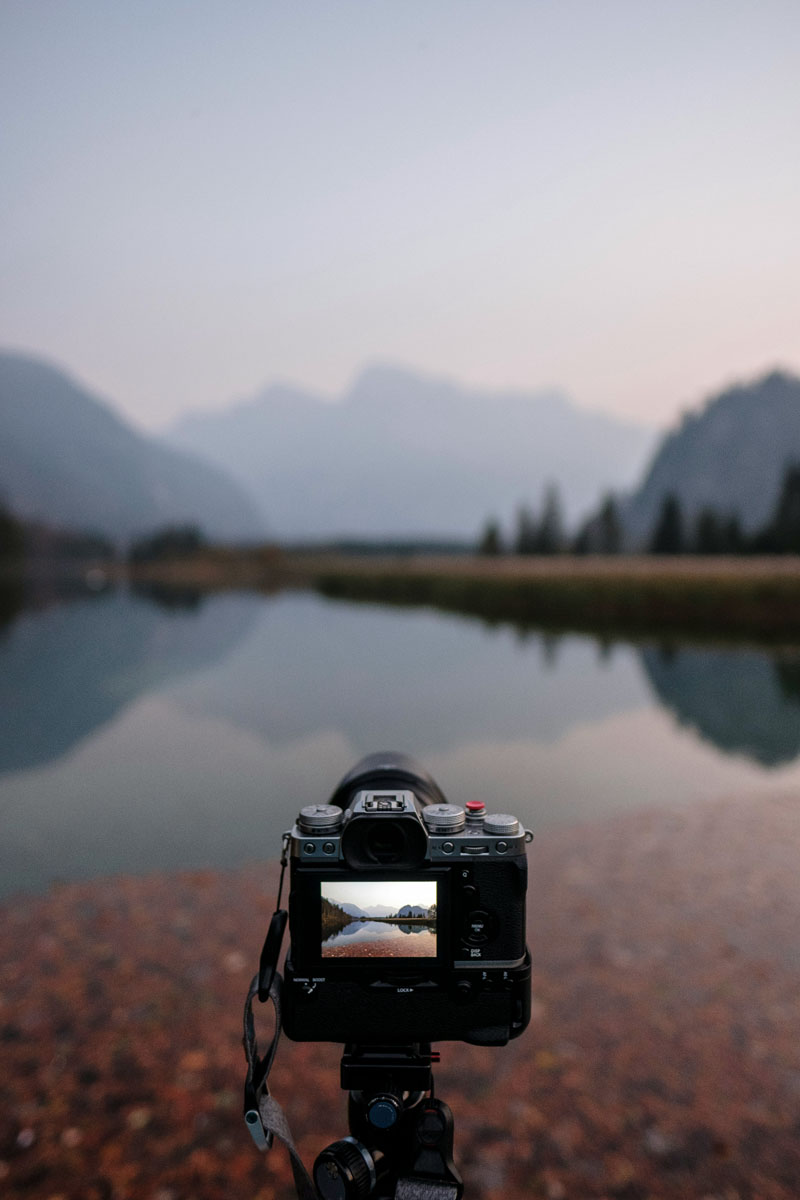
Available Photography Workshops
Here’s what I currently teach. Have a look through and see what fits what you’re hoping to learn.
Wildlife Photography Workshop
A workshop focused on photographing animals, including camera settings, movement, light, focus and making decisions as conditions change.
Bird Photography Workshop
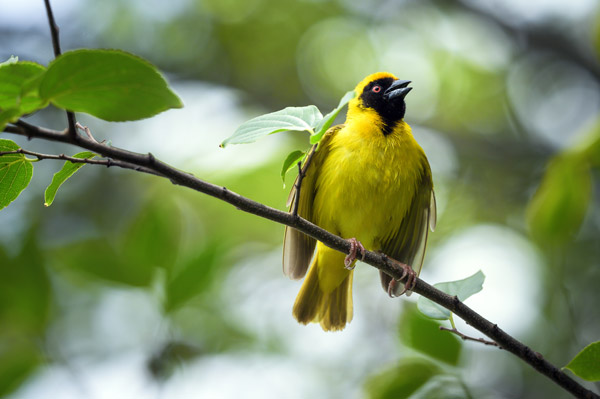
Birds bring a different set of challenges. This workshop looks at tracking, autofocus, shutter speed, long lenses, difficult light and composition.
Tree Photography Workshop
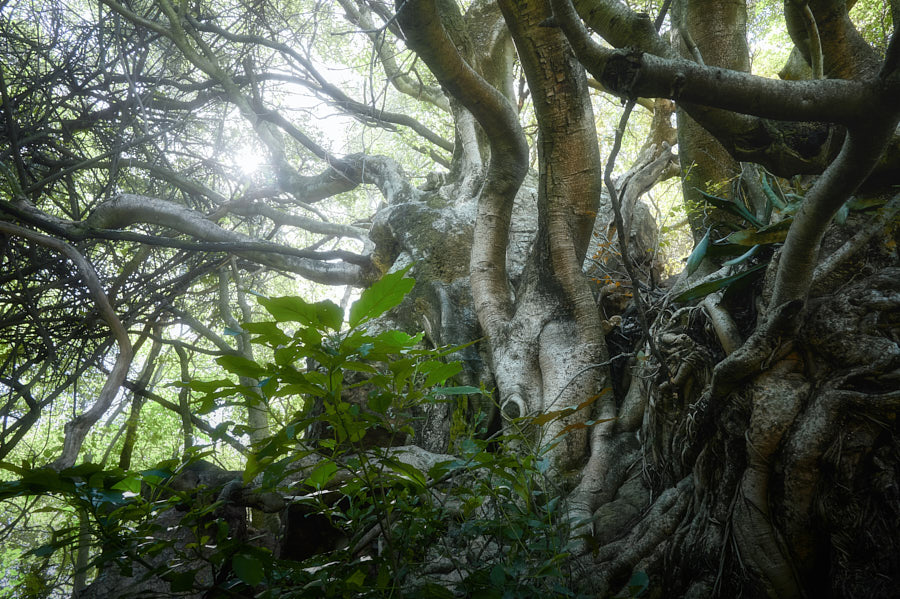
A slower approach to nature photography, looking at shape, structure, light, detail and composition when photographing trees.
Wildlife Photography Workshop
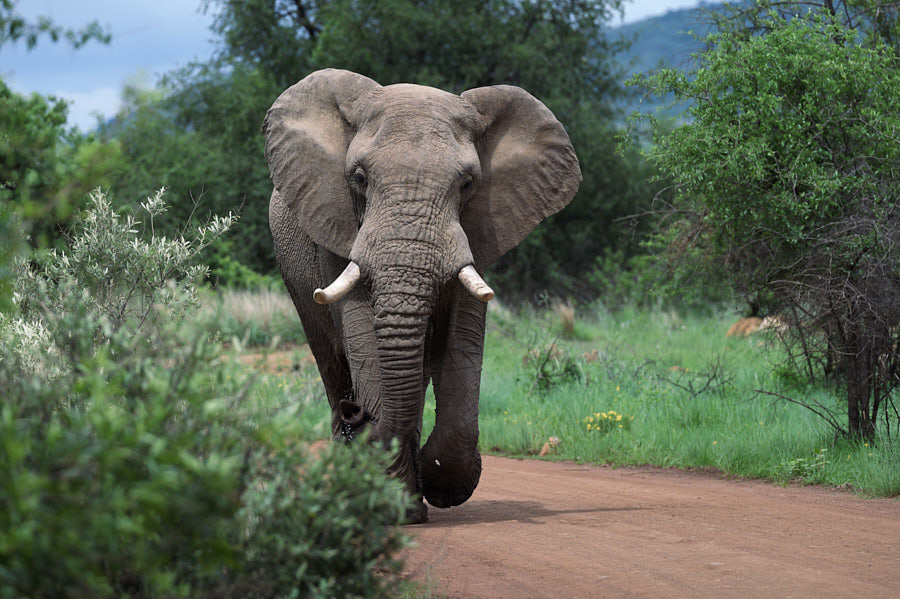
Wildlife photography is rarely about having everything under control.
An animal can appear for a few seconds, turn away, move into shade or suddenly start doing something completely different from what you expected. Light changes. Backgrounds get messy. Sometimes the best photograph is the one you almost didn’t have time to take.
That is what makes wildlife photography interesting.
This workshop is about learning to make better decisions in those situations. From choosing your settings and focusing on a moving subject, using the available light and deciding when to press the shutter.
What we will work on in the wildlife photography workshop:
Choosing settings for moving subjects
- Wildlife rarely gives you time to stop and work through a menu.
- We’ll look at shutter speed, aperture and ISO in the context of photographing animals and how you can make sensible choices before the action starts.
- The aim is to understand why you’re choosing a setting rather than simply memorising a combination that works in one situation.
Focus and tracking
- Keeping a moving animal sharp can be difficult, particularly when it changes direction or moves through vegetation.
- We’ll look at autofocus options, tracking and focus behaviour, and discuss when different approaches make sense.
- The right choice will depend on your camera and the subject in front of you.
Working with light
- You don’t get to choose the light when you’re photographing wildlife.
- You may have strong midday light, soft morning light, backlighting, deep shade or a subject moving between different conditions.
- We’ll look at how to work with what is available rather than waiting for perfect conditions.
Composition in the field
- Wildlife photographs can easily become centred on the animal and nothing else.
- We’ll also look at the space around the subject, the background, the direction of movement and the relationship between the animal and its surroundings.
- Sometimes a wider photograph tells more of the story than a tight portrait.
Getting more from your lens
- A long lens is useful, but having more reach does not automatically make a stronger photograph.
- We’ll look at when to fill the frame, when to leave space and when changing your position or perspective can improve the image.
- The aim is to get more from the equipment you already have rather than simply adding more gear.
Changing conditions are part of the lesson
One of the reasons I prefer teaching wildlife photography in the field is that we can’t completely control what happens.
- If the light changes, we work with it.
- If an animal moves, we adapt.
- If a particular photograph isn’t possible, we look at what the situation is giving us instead.
- That is much closer to how wildlife photography actually works than following a fixed list of settings.
What about wildlife photography editing?
The photograph doesn’t necessarily finish after taking a photo.
Depending on the workshop, we can also look at your wildlife photographs afterwards and discuss things such as exposure, colour, contrast, detail and cropping.
The aim is not to turn a good wildlife photograph into something artificial. Editing should support what was already there.
If you want a more detailed look at editing itself, the Photo Editing Course goes much further into Lightroom, Camera Raw and Photoshop.
Who is this workshop for?
The Wildlife Photography Workshop is suitable for photographers who:
- already own a DSLR or mirrorless camera;
- want to become more comfortable photographing animals;
- have photographed wildlife before but struggle when things happen quickly;
- want to understand autofocus and shutter speed in real situations;
- are preparing for a wildlife trip or safari;
- want to improve the way they approach wildlife rather than simply collect more photographs.
You don’t need to be an experienced wildlife photographer.
However, it helps if you already understand the basic camera controls. If you’re completely new to photography, the Intro to Photography Workshop or Basic Photography Course is a better starting point.
What you need for the wildlife workshop
Bring the camera and wildlife equipment you normally use.
A DSLR or mirrorless camera with manual controls is suitable. A telephoto lens is strongly recommended for wildlife photography, with 300mm or longer being useful where the situation allows.
Also bring:
- spare batteries;
- memory cards;
- suitable outdoor clothing;
- and anything else you normally take when photographing outdoors.
You don’t need the most expensive camera or lens to learn.
Wildlife photography workshop details
Level: Beginner to experienced enthusiast
Format: One-on-one or small group (maximum of 4 people)
Duration: Approximately 4 hours of field instruction, with editing guidance where included
Locations: Selected wildlife locations in South Africa, depending on the workshop
Equipment: DSLR or mirrorless camera; telephoto lens recommended
Price: R5,500
Book a wildlife photography workshop
If you enjoy photographing animals and want to understand what you’re doing rather than simply hoping the settings work, this workshop is for you.
Tell me what you normally photograph, what camera and lens you use, and where you are situated. We can then discuss the most suitable workshop and location.
Bird Photography Workshop
What we'll cover
- Camera settings that work for birding, so you’re ready when the moment comes.
- Tracking and autofocus, so you can stay locked onto a subject that won’t sit still.
- Getting the most from long lenses.
- Handling difficult light — backlighting, tricky plumage, the situations that usually go wrong.
- Composition that actually reads well, even with a busy or cluttered background.
- Using light and colour to bring some mood into the images.
- Panning and high-speed bursts for capturing motion.
- Reviewing shots in the field so you can adjust before the moment’s gone.
What you'll need
- A DSLR or mirrorless camera with manual controls
- A telephoto lens of at least 300mm (or equivalent)
- A computer with editing software installed
Price
R3,500 per person — includes 2 hours of on-location coaching and 1 hour of editing guidance afterwards.
Tree Photography Workshop
What we'll cover
- Working with organic structure and shape in your composition.
- Using light and shadow to bring depth and mood into the image.
- Detail shots — bark, leaves, branches, roots — the small things that tell a tree’s story.
- Depth of field and focus as creative tools, not just technical settings.
- Editing tailored to trees — bringing out texture, contrast and natural colour in your photos.
What you'll need
- A computer with editing software installed
- A tripod if you have one — I’ll bring a spare if you don’t
- An eye for detail and a bit of patience with nature
Price
R3,500 per person — includes on-location coaching and editing guidance afterwards.