
Basic Photography Course
Learn the fundamentals of photography with this Basic Photography Course.
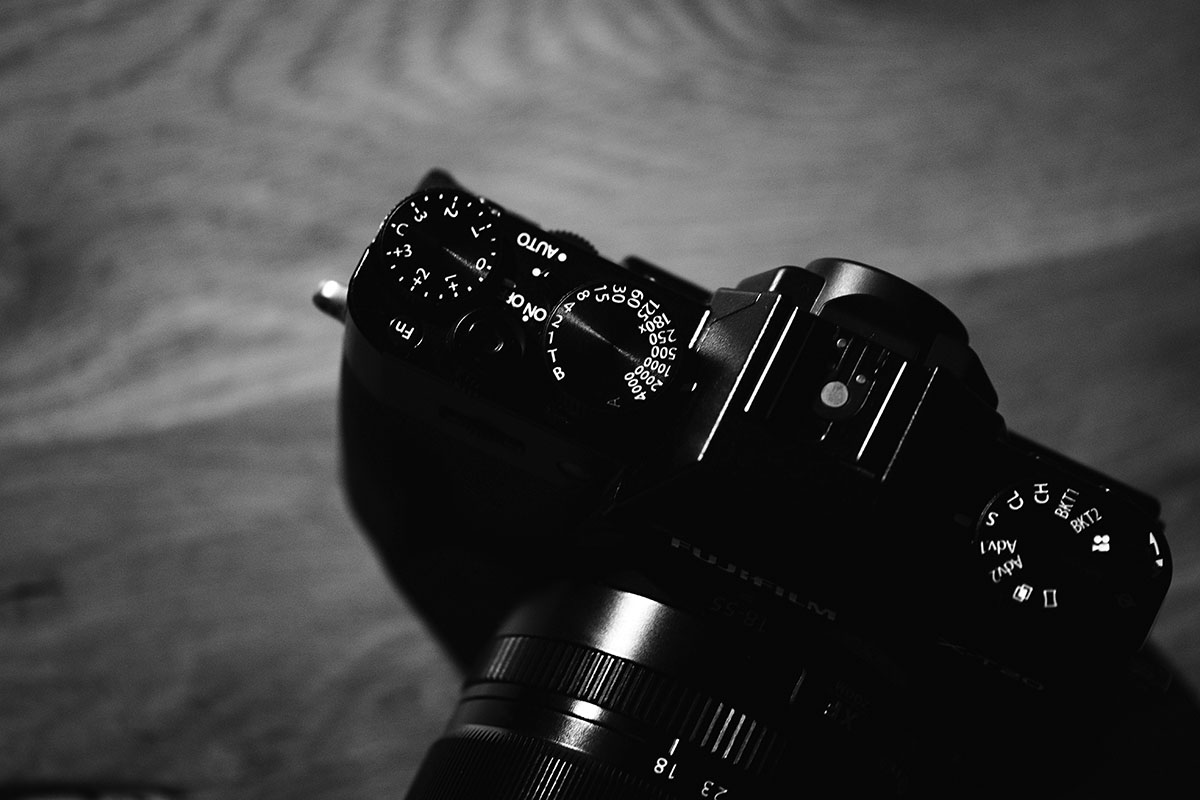
Learn and understand your camera
Buying a camera is one thing. Understanding what to do with all the settings is another.
If you are still using Auto mode because you are unsure what to change, or you understand some photography terms but don't yet know how they fit together, this course starts with those fundamentals and puts them into context.
I teach the Basic Photography Course using your own camera. We work through the important settings, photograph with them and look at why you might choose one approach over another.
The aim is to give you a clear understanding of how your camera and the basic principles of photography work together, so that you can make your own decisions when you photograph.
What you will learn in the Basic Photography Course
The course takes you through the main foundations of photography, from understanding your camera and controlling exposure to light, composition and making decisions for yourself.
Understanding your camera
- Understand the main controls and settings on your camera.
- Learn what the important camera settings do and when they matter.
- Move beyond relying entirely on automatic modes.
Exposure
- Understand how a photograph is exposed.
- Learn how aperture, shutter speed and ISO work together.
- Understand how your exposure choices affect the final image.
Aperture
- Understand what aperture is and how it controls the amount of light entering the camera.
- Learn how aperture affects depth of field.
- Know when a wider or narrower aperture is useful.
Shutter Speed
- Understand how shutter speed controls the length of the exposure.
- Learn how to use shutter speed to freeze or show movement.
- Understand how your shutter speed affects handheld photographs.
ISO
- Understand what ISO does and how it affects exposure.
- Learn when increasing ISO is useful.
- Understand the relationship between ISO, light and image quality.
Light and White Balance
- Learn to recognise how different types of light affect a photograph.
- Understand colour temperature and white balance.
- Learn how to make better exposure and colour decisions in changing light.
Focus and Depth of Field
- Understand how your camera focuses and how to choose an appropriate focus mode.
- Learn how depth of field is affected by aperture, focal length and distance.
- Understand how to control what appears sharp in the photograph.
Composition
- Learn how to arrange elements within the frame.
- Understand balance, perspective, leading lines and the use of space.
- Learn to make deliberate choices about what to include and exclude.
Lenses and Focal Length
- Understand what focal length means and how it changes the appearance of a photograph.
- Learn the difference between wide, standard and telephoto perspectives.
- Understand how to choose a suitable focal length for different situations.
RAW and JPG
- Understand the difference between RAW and JPG files.
- Learn why RAW files provide greater flexibility when editing photographs.
- Understand when each format may be appropriate.
Putting the settings together
- Bring the different camera settings together rather than treating them separately.
- Learn how to make decisions based on the subject, available light and desired result.
- Work towards choosing your settings deliberately instead of simply guessing.
How the photography training works
The course combines explanation with shooting.
Learn, then use the camera
I’ll explain a subject, we’ll use the camera and we’ll look at what happens. If something isn’t clear, we can stop and go through it again.
Time to photograph
You will have time to photograph rather than spending the entire session listening to a lecture. The aim is to put what you learn into use as we go.
Look at your photographs
We can also look at your own photographs and discuss what happened, why it happened and what could be changed.
The course is available as one-on-one training or in a small group of up to four people.

One-on-one photography training
With one-on-one training, the session is focused on you, your camera and the areas you want to understand.
If aperture makes sense quickly but focus is giving you trouble, we can spend more time on focus. If you already understand something, we don’t need to spend half the session explaining it again.
You can also ask questions about situations you usually photograph, which can make the training more relevant to the way you use your camera.
Who is this course for?
The Basic Photography Course is designed mainly for beginners, but you do not have to be completely new to photography.
It can also suit someone who has owned a camera for some time but still feels unsure about changing settings.
The course may be useful if you:
- mainly use Auto mode;
- have recently bought a DSLR or mirrorless camera;
- find aperture, shutter speed and ISO confusing;
- want to learn Manual Mode;
- struggle with exposure or focus;
- want to improve your composition;
- or simply want someone to explain the camera properly.
No previous photography training is required.
If you already use Manual Mode comfortably and understand the fundamentals of exposure and composition, the Advanced Photography Course may be a better next step.
Equipment you need for the basic course
What you need
A DSLR or mirrorless camera with manual controls is required. Your existing kit lens is suitable for the course. You do not need to buy expensive equipment before learning photography.
Bring with you
- Your camera
- A basic lens
- A charged battery
- An empty memory card
A tripod or lens hood can be useful for some situations, but neither is required. Canon, Nikon, Sony, Fujifilm, Panasonic, Olympus and other major camera systems are welcome.
What you should understand after the basic course
By the end of the course, you should have a clearer understanding of:
- How your camera’s main controls work
- Manual Mode
- Aperture
- Shutter speed
- ISO
- Exposure and metering
- The histogram
- Light and white balance
- Focus
- Depth of field
- Composition
- Focal length and lenses
- RAW versus JPEG
More importantly, you should understand why you are changing a setting rather than simply copying settings from someone else.
Course details
Everything you need to know about the Basic Photography Course.
Do I need any previous photography experience?
No. The course is designed for beginners and starts with the fundamentals. You can attend even if you have never used Manual Mode before.
Will I learn how to use Manual Mode?
Yes. Manual Mode is an important part of the course. The aim is to understand how aperture, shutter speed and ISO work together so that you can make your own decisions.
What camera do I need?
A DSLR or mirrorless camera with manual controls is suitable. Bring the camera you already own. Canon, Nikon, Sony, Fujifilm, Panasonic, Olympus and other major brands are welcome.
Do I need an expensive lens?
No. A basic kit lens is enough to learn the fundamentals of photography.
How long is the Basic Photography Course?
The course normally takes approximately 4–5 hours. We can spend more time on subjects that need further explanation rather than rushing through the material.
What happens if I need to reschedule?
Please give at least 48 hours’ notice and I’ll do my best to arrange another suitable date.
Is there support after the course?
Yes. If you have questions about something covered during the course, you can get in touch afterwards. If you need more training on a particular subject, a follow-up session can also be arranged.
What should I take after the Basic Photography Course?
If you want to improve your photographs after shooting, the Photo Editing Course is a natural next step. If you already understand the fundamentals and want to explore photography more creatively, the Advanced Photography Course may be suitable.
About Anton Guyt
I’m Anton Guyt, a photographer with over ten years of photographic experience.
My own photography covers wildlife, nature, landscapes, aviation, portraits, travel and other areas. Much of what I teach comes from using these skills myself and dealing with the situations that photographers encounter.
I try to keep the explanations straightforward. There are plenty of complicated terms and settings in photography already, so I don’t see much point in making the teaching more complicated than it needs to be.
Book the Basic Photography Course
If you’d like to understand your camera and learn the fundamentals of photography, get in touch and tell me what camera you use and what you’d like to learn.
Get in touch