
Basic Photography Course
Understand Your Camera. Learn the Basics. Take Better Photos.
Buying a camera is one thing. Understanding how to use it is another.
If you're still relying on Auto mode, struggling with camera settings or wondering why your photos don't always turn out the way you expected, this Basic Photography Course will help you understand the fundamentals and put them into practice.
Through practical, hands-on photography training, you'll see how aperture, shutter speed, ISO, focus, light and composition work together. Using your own camera, you'll put these principles into practice and gain a better understanding of how to make the right decisions when taking photos.
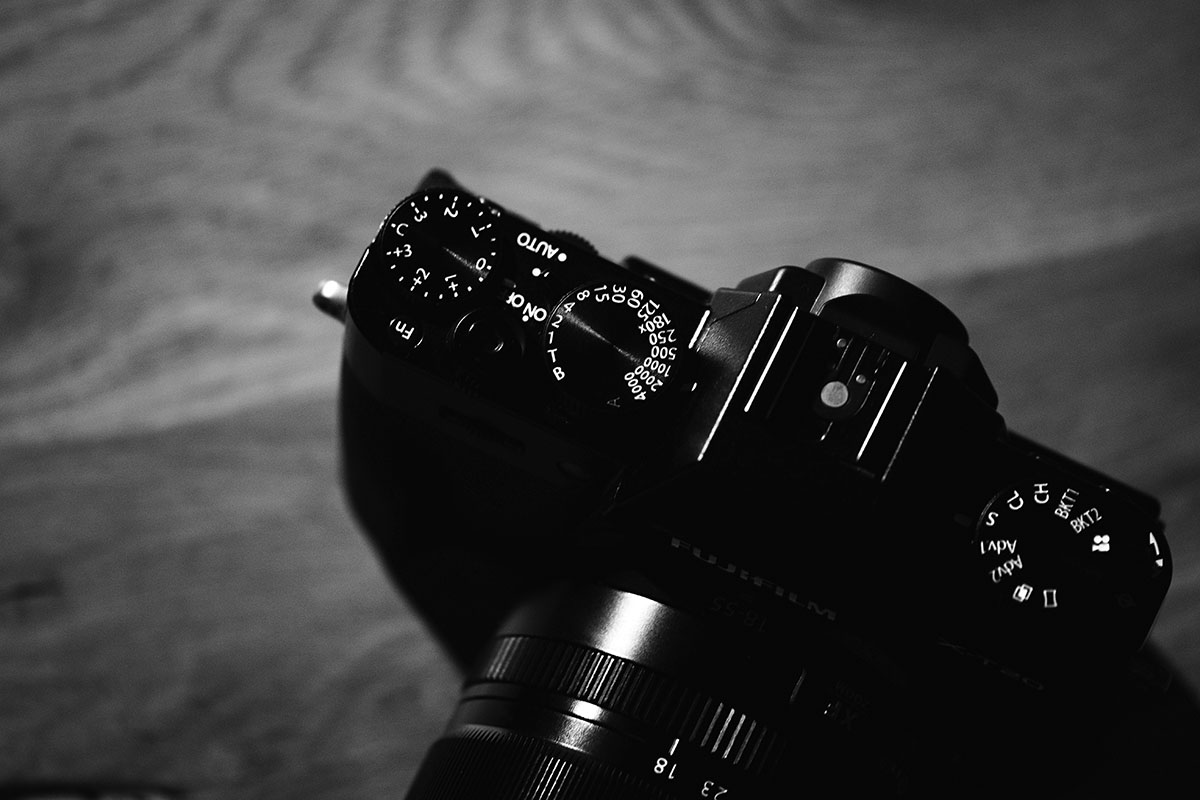
Learn the Fundamentals of Photography
You don’t need an expensive camera or years of experience to take better photos. You need to understand the equipment you already have and know better ways to use it.
This course introduces you to essential principles of photography, from camera settings and exposure to focusing, composition and working with light.
It doesn’t matter what you enjoy photographing; these fundamentals give you a foundation to build on.
The training is practical and explained in straightforward terms, so you can concoct what you learn with what happens when you take a photo.
What You’ll Learn
Understanding Your Camera
Get familiar with your camera’s main controls, shooting modes and settings. Understand what the different options do and when to use them, rather than relying on automatic settings to make every decision.
Manual Mode and Exposure
Take control of your camera settings in Manual Mode. Understand why a photo may be too bright, too dark or incorrectly exposed, and how to adjust your settings to achieve the result you want.
Aperture
Control the amount of light entering your camera and see how aperture affects background blur and depth of field.
Shutter Speed
Learn how shutter speed freezes movement, creates motion blur and helps reduce blur caused by camera shake.
ISO
Understand how ISO affects exposure and image quality, particularly when working in low light.
Focus and Depth of Field
Understand how your camera focuses, how to select appropriate autofocus settings and how to control which parts of a photo appear sharp.
Light and White Balance
See how light affects the appearance of your photos. Learn about exposure, colour temperature and white balance, and how to make adjustments when lighting conditions change.
Composition
Learn how to arrange elements within a photo to create stronger images. Explore techniques such as the rule of thirds, leading lines, perspective, framing, balance and negative space.
Lenses and Focal Lengths
Understand the differences between wide-angle, standard and telephoto lenses. See how focal length affects your image and how to choose an appropriate lens for different subjects and situations.
RAW and JPEG
Understand the differences between RAW and JPEG image files, the advantages of each format and how your choice affects the way you work with your photos afterwards.
Putting It All Together
Bring the different settings and techniques together through practical photography exercises. Consider your subject, the light and the result you want before deciding how to photograph a scene.
The aim is to move beyond guessing at settings and start understanding why you use them.
How the Basic Photography Course Works
This is a practical photography course. We work through the different subjects using your own camera, with time to practise and see how changing a setting affects the photo.
Understand the Settings
Learn what your camera controls do and how they influence the final image.
Put Your Knowledge into Practice
Take photos as you learn, experiment with different settings and see the results for yourself.
Ask Questions
If something doesn’t make sense, we can go through it again. You can also bring up situations you find difficult when photographing.
Learn from Your Photos
Where appropriate, we can review your images and discuss what worked, what could be improved and why.
The course is available as one-on-one photography training.
One-on-One Photography Training
With personalised individual training, the session focuses on you, your camera, and what you want to learn.
If you understand aperture but struggle with shutter speed or focus, we can spend more time on those areas. You can ask questions, work at your own pace and discuss the types of photography that interest you.
What Camera Do You Need?
You need a DSLR or mirrorless camera with manual controls. Your existing kit lens is suitable, so there’s no need to buy expensive equipment before attending.
Please bring:
- Your camera and lens.
- A fully charged battery.
- An empty memory card.
Canon, Nikon, Sony, Fujifilm, Panasonic, Olympus and other major camera brands are welcome.
Basic Photography Course Price
Learn to use your camera with confidence through practical, one-on-one photography training. The course covers the essential skills you need to understand your settings and take more control over your photos.
Current special price
R3,999
R4,299
Save R300 on the regular price.
Get in touch to discuss the course and arrange a suitable training session.
Course Details
- Level: Beginner
- Duration: Approximately 4-5 hours
- Format: One-on-one
- Availability: Weekdays and weekends, subject to arrangement
- Location: Arranged when booking
The course is designed to give you a solid foundation in photography, with practical time to apply what you learn.
Frequently Asked Questions
Do I need any previous photography experience?
No previous experience is required to do this course. The course is designed for beginners and teaches the fundamentals. You can attend even if you have never used Manual Mode before.
Will I learn how to use Manual Mode?
Yes, you will learn how to use Manual Mode. The aim is to understand how aperture, shutter speed and ISO work together so that you can make your own decisions.
Where is the Basic Photography Course taught?
I teach in person, one-on-one. For locations and availability, see photography courses in Pretoria.
What happens if I need to reschedule?
Please give at least 48 hours’ notice and I’ll do my best to arrange another suitable date.
Is there support after the course?
If you have questions about something covered during the course, you can get in touch afterwards. If you need more training on a particular subject, a follow-up session can also be arranged.
What should I take after the Basic Photography Course?
If you want to improve your photos after shooting, the Photo Editing Course is a natural next step. It covers global and local adjustments to exposure, colour and detail.